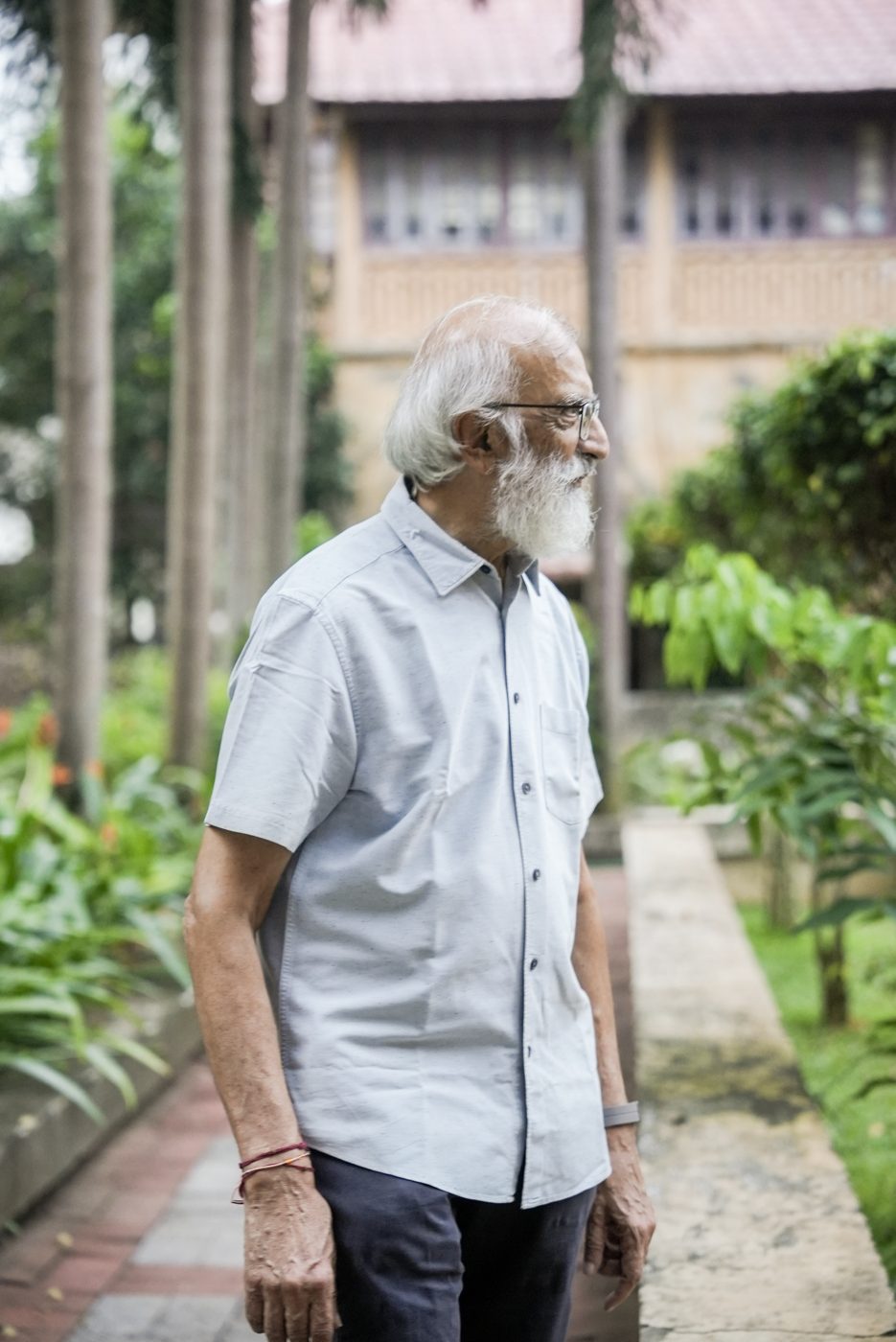
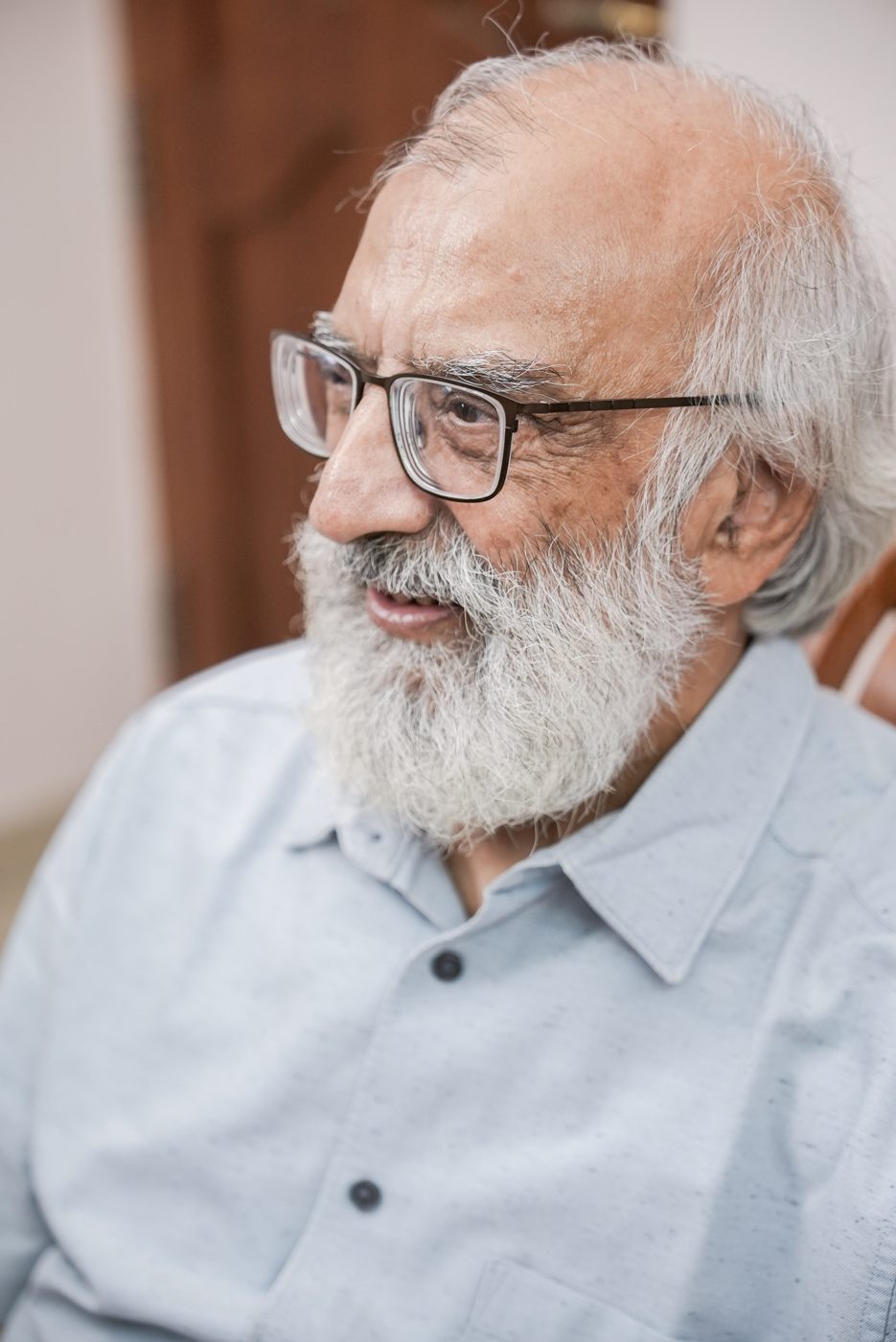
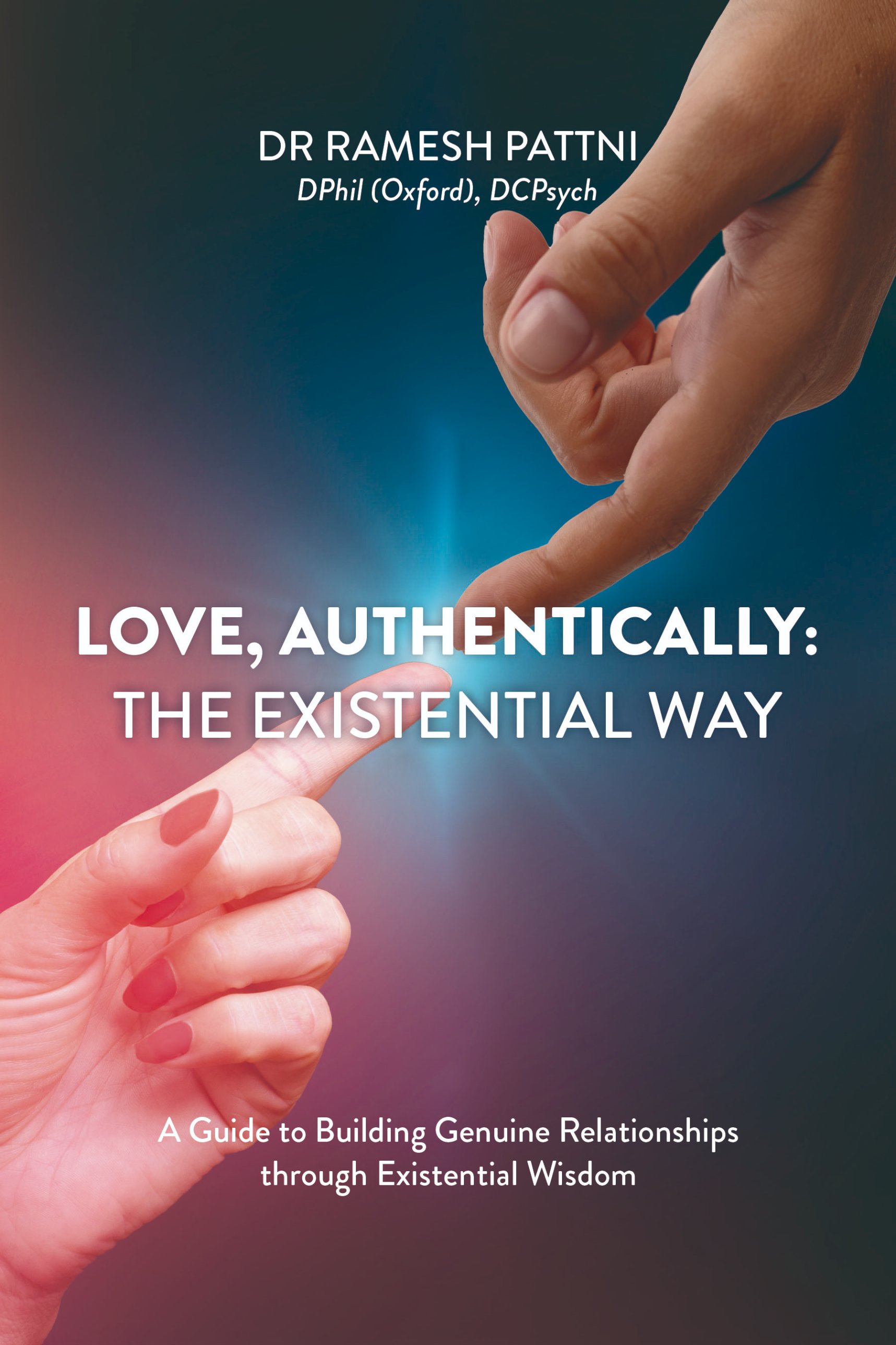
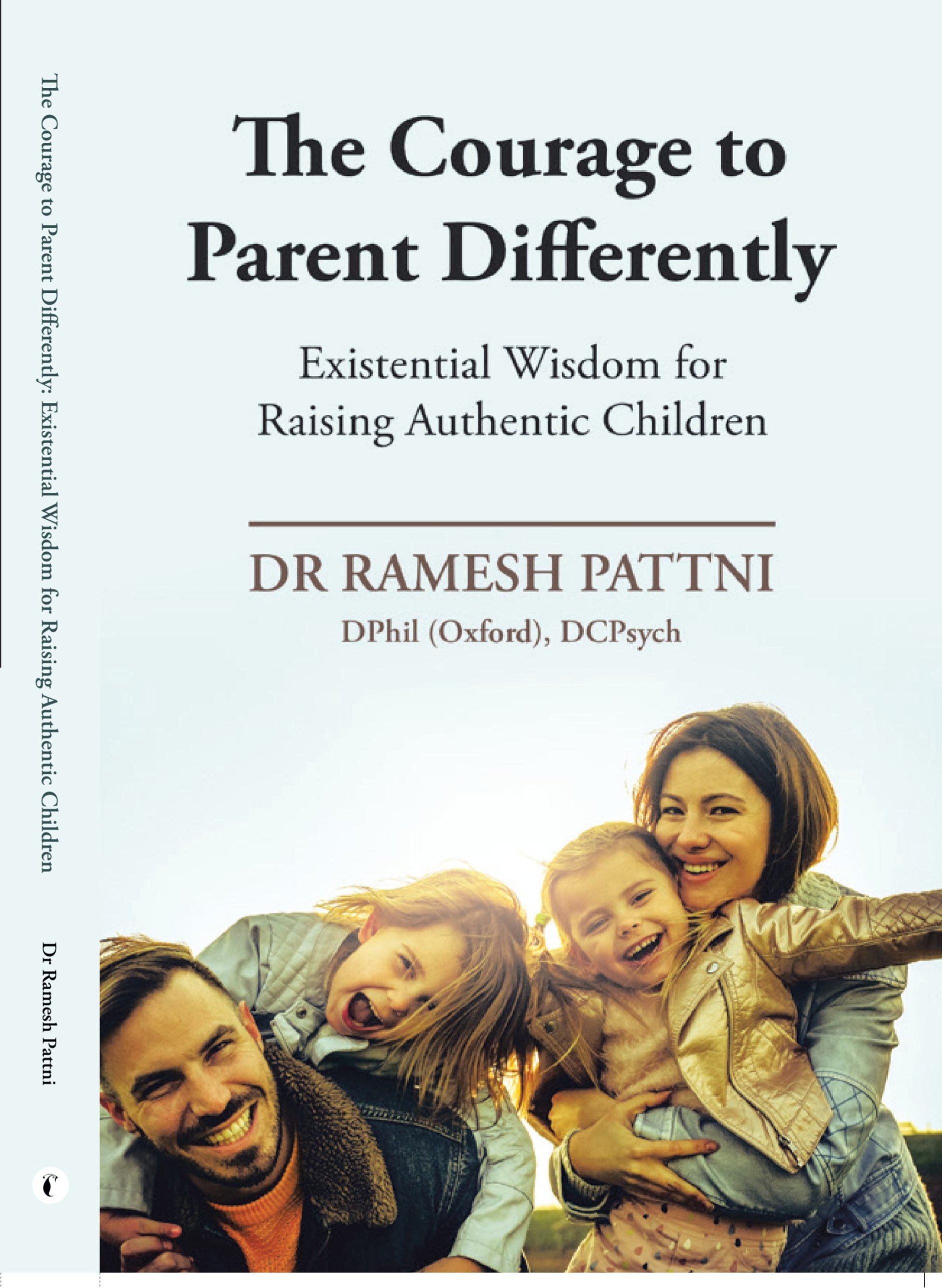
My first career was in the pharmaceutical industry and in management consultancy, where I spent many years running operations, advising organisations and mentoring people through change. It taught me a good deal about how people work under pressure, and about the gap between how organisations describe themselves and how they are actually lived.
Alongside that work, I returned to formal study. Over the following decade I completed a master's degree in the psychology of religion at the University of London, a master's and then a doctorate at the University of Oxford, and a further master's degree in psychology. My Oxford doctorate used phenomenological and hermeneutic methods, the same disciplined attention to lived experience that sits at the heart of existential therapy.
Studying the psychology of religion also left me with a lasting interest in how people find meaning, and in what they hold sacred, whether or not they are religious. That interest, and the method, led me to clinical training and to the work I do now.